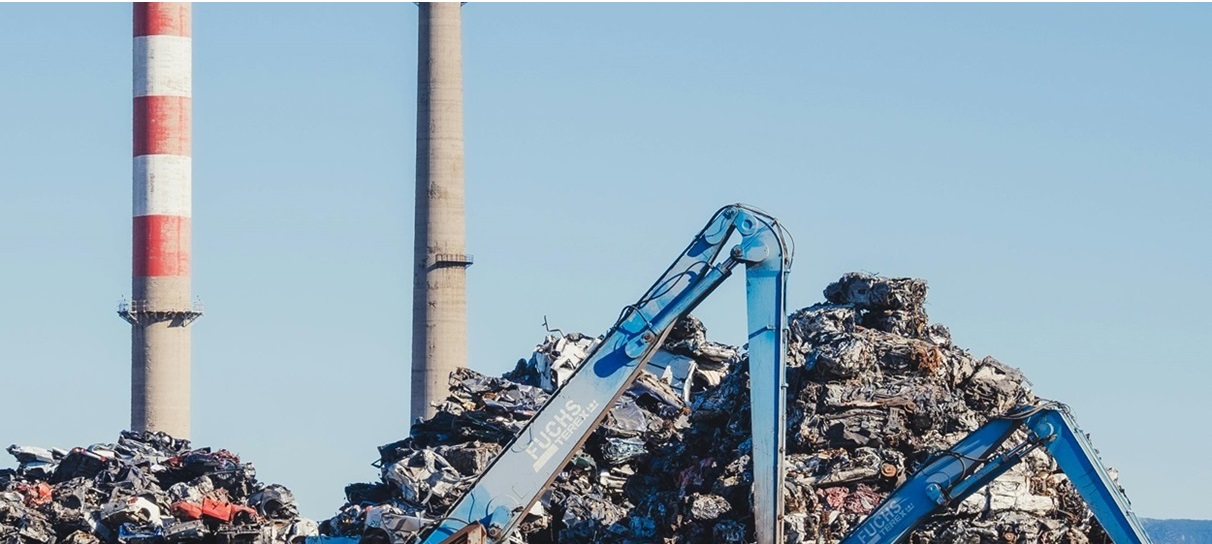
Transforming Waste Into a Sustainable Future
Recycling Basics
Recycling is the process of collecting and processing materials that would otherwise be thrown away as trash and turning them into new products. Recycling can benefit your community, the economy, and the environment. The more we recycle, the less garbage winds up in the landfills and incineration plants.
Recycling is one of the easiest ways we can all help protect our environment and reduce waste. By sorting and disposing of materials like paper, plastic, glass, and metal correctly, you help conserve natural resources and prevent landfill overflow.
Know What Can Be Recycled
Items like cardboard, bottles, cans, and certain plastics are commonly recyclable. Check labels or our Materials We Accept page for more info.
Latest News on Recycling Events for kids Read More
Recycling Tips
Why Recycling is Important?
Recycling reduces the need for extracting (mining, quarrying and logging), refining and processing raw materials all of which create substantial air and water pollution. As recycling saves the energy it also reduces greenhouse gas emissions, which helps to tackle climate change.
By reusing aluminium, paper, glass, plastics, and other materials, we can save production and energy costs, and reduce the negative impacts that the extraction and processing of virgin materials have on the environment
As recycling saves the energy it also reduces greenhouse gas emissions, which helps to tackle climate change.
Five benefits of recycling
Recycling reduces waste sent to landfills and incinerators
Recycling prevents pollution
Recycling conserves natural resources
Recycling conserves energy